

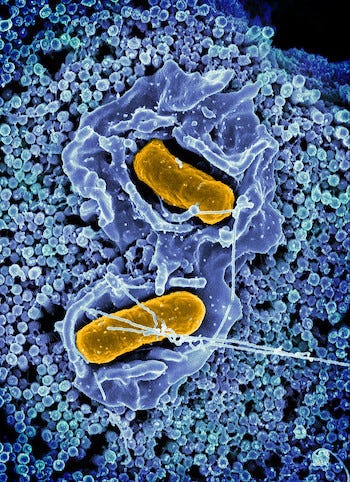
Giraffes, dinosaurs, sharks and whales, to name a few, are organisms that roam or once roamed the very same lands we are on and make us look very tiny. But, did you know that the first life form on Earth was a single-celled organism?
A single-celled organism (early ones were nanometers to micrometers in size) is a microscopic world in itself, consisting of billions or even trillions of molecules based on its size, all of which perform dedicated tasks to ensure proper functioning of the cell. For the first one to form on Earth nearly 4.2 - 3.8 billion years ago, various external factors like geological setting, temperature of the water, pH (acidity), etc, had to be just right.
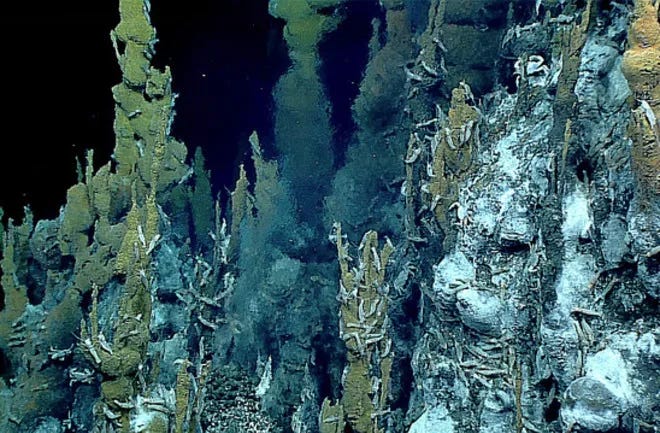
As explored in one of our previous posts on plate tectonics, the pieces of Earth’s crust are constantly moving and when two oceanic plates move away from each other, hot mantle material comes to the surface creating new crust from what we call ‘mid oceanic ridges’. The most famous hypotheses about the origin of life on Earth- one suggests that life originated on land and the other suggests that it happened inside water. The commonality between them is that they think life might have started close to a hydrothermal vent as it is chemically very active and warm. One of these theories, put in simple words, states that-
About 4.2 - 3.8 billion years ago, somewhere in a mysterious location near the ocean floor, there was a mid-oceanic ridge heating up the deep dark waters. Hydrothermal vents in this region created a chemically rich environment in the warm waters, setting the stage for the first breath of life. Oh, and yes, there was no oxygen on the Earth back then, so the ‘breath’ is just metaphoric.
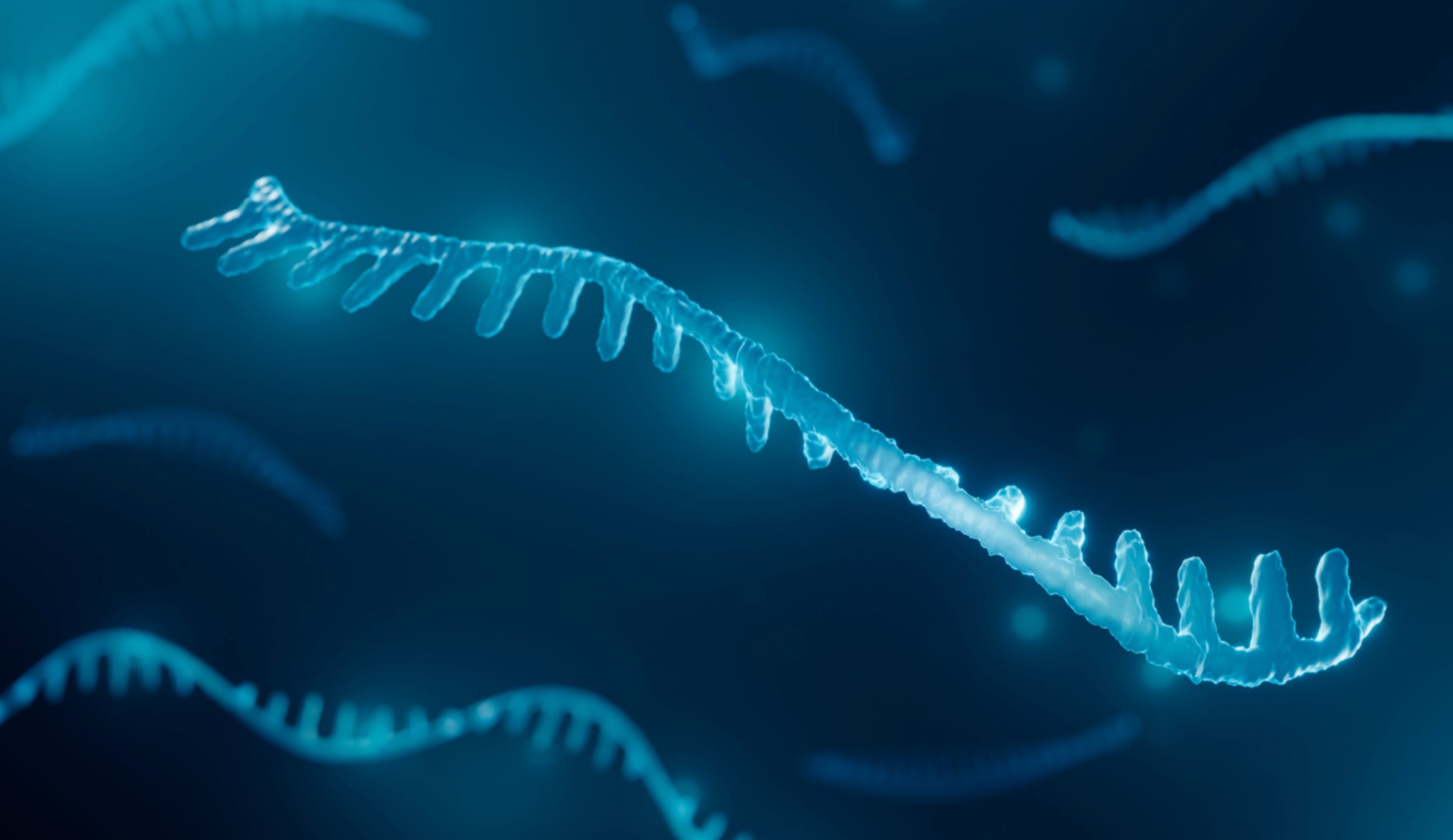
Studies also suggest that the first life form could have been Ribonucleic Acid or RNA, which is one of the building blocks of life alongside DNA. In our bodies, DNA stores the genetic blueprint of our ancestors and RNA reads the genetic data from DNA and sends messages to build proteins and performs other important tasks. However, the earliest form of RNA is predicted to have had the capability to store the genetic material, perform important tasks and reproduce!
Over billions of years, life evolved from single-celled organisms to multi-organ complex organisms, from anaerobic (without oxygen) to aerobic respiration, from thriving underwater to conquering the land and skies. While this may sound like a great step up, most of the evolution was shaped by life responding to the dynamic processes on Earth and trying to adapt to them, and even influencing them at times.
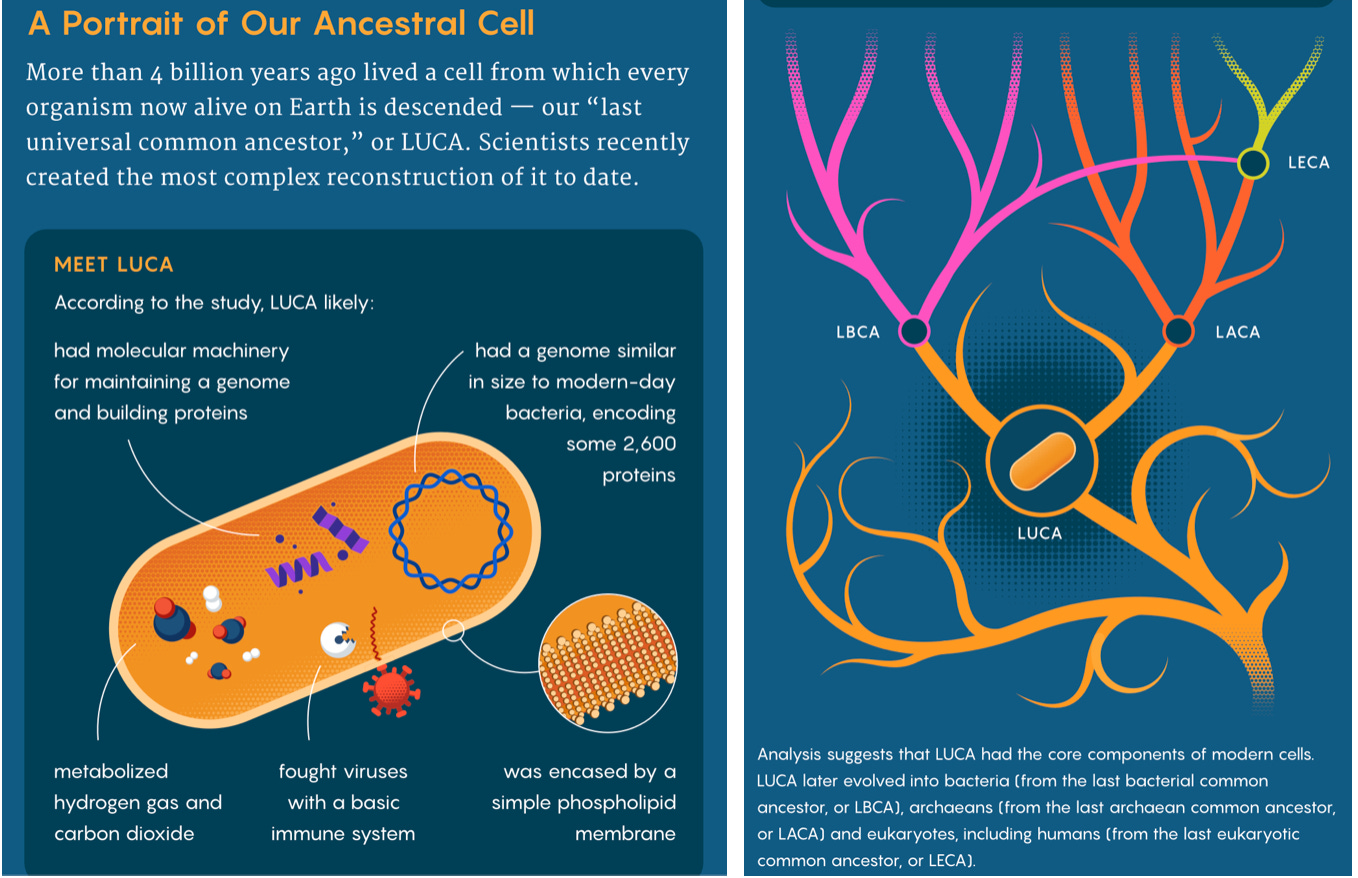
An interesting perspective to take away is that most of all living organisms on the planet have a very simple single-celled organism called - Last Universal Common Ancestor (LUCA) as our ancestor. LUCA is said to have come after the RNA, but the timelines are still a point of debate.
How was today’s post?
If you liked it, please hit the Like button at the bottom and share it with a friend. Hit the ‘send message’ button if you want to share feedback. Also, please Subscribe to AlterEarth if you haven’t already. Have a great day!
Here are the references that I used for figures and guidance while writing this piece.
References:
https://www.thoughtco.com/how-many-atoms-in-human-cell-603882#:~:text=Scientists%20estimate%20the%20average%20cell,of%20cells%20in%20the%20body.
Biro JC. The concept of RNA-assisted protein folding: the role of tRNA. Theor Biol Med Model. 2012 Apr 2;9:10. doi: 10.1186/1742-4682-9-10. https://pmc.ncbi.nlm.nih.gov/articles/PMC3359187/#:~:text=The%20tRNA%20seemingly%20solves%20the,its%20neighbor%20(Figure%201).
https://www.nature.com/scitable/topicpage/what-is-a-cell-14023083/#:~:text=As%20previously%20mentioned%2C%20a%20cell’s,changes%20that%20underlie%20cell%20division.
https://asm.org/articles/2022/august/single-cell-rna-sequencing-to-study-salmonella-inf
https://naturalhistory.si.edu/education/teaching-resources/life-science/early-life-earth-animal-origins
Omran A, Pasek M. A Constructive Way to Think about Different Hydrothermal Environments for the Origins of Life. Life (Basel). 2020 Apr 9;10(4):36. doi: 10.3390/life10040036. https://pmc.ncbi.nlm.nih.gov/articles/PMC7235985/
https://www.chemistryworld.com/features/hydrothermal-vents-and-the-origins-of-life/3007088.article
https://www.frontiersin.org/news/2022/01/19/frontiers-microbiology-origin-of-life-energy-hydrothermal-vents
Robertson MP, Joyce GF. The origins of the RNA world. Cold Spring Harb Perspect Biol. 2012 May 1;4(5):a003608. doi: 10.1101/cshperspect.a003608. https://pmc.ncbi.nlm.nih.gov/articles/PMC3331698/#:~:text=There%20is%20now%20strong%20evidence,on%20p%2DRNA%20or%20PNA.
https://www.science.org/content/article/how-life-could-have-arisen-rna-world
https://www.technologynetworks.com/genomics/articles/what-are-the-key-differences-between-dna-and-rna-296719#:~:text=and%20RNA%20differ:-,Function,1
https://www.quantamagazine.org/all-life-on-earth-today-descended-from-a-single-cell-meet-luca-20241120/
Worth reading!!